
Posts
What Does Early Relational Health Look Like?
By Dr. Gloria Andrade, PhD, IMH-E®
Center for Autism and Early Childhood Mental Health, Montclair State University
The Heartbeat of Early Relational Health
When we discuss child development, we often focus on milestones — the first word, the first step, and the first day of school. Yet, behind every milestone is something more profound: a relationship. Early Relational Health (ERH) is the invisible thread that connects these moments, shaping how infants and young children learn to trust, to explore, and to love.
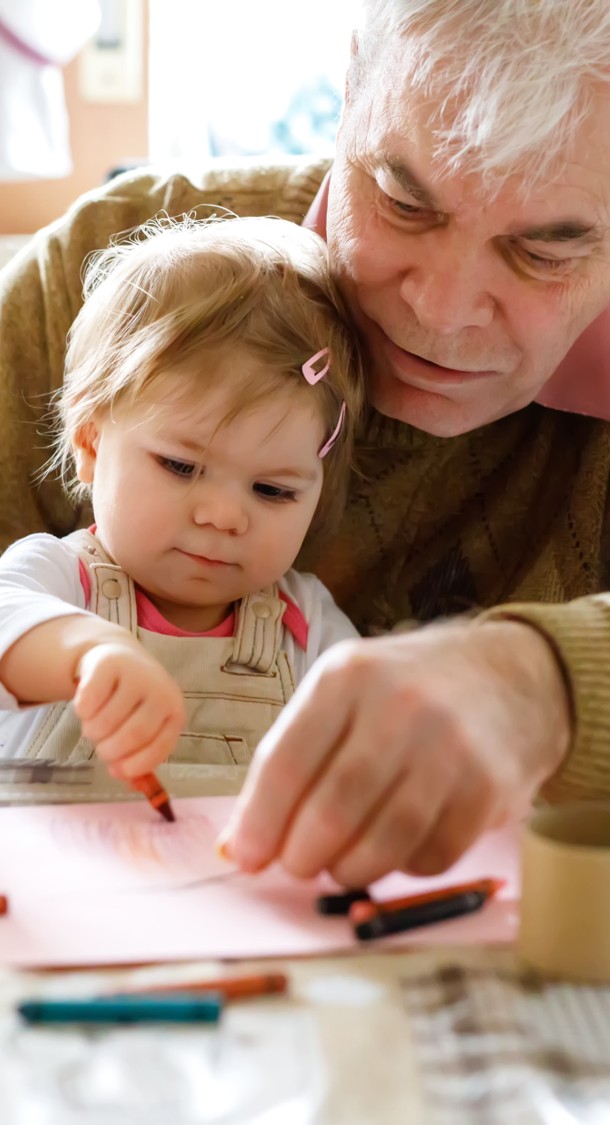
At its core, ERH describes how parents, caregivers, and professionals connect with babies through everyday acts of care — feeding, diapering, bathing, playing, and comforting. It’s present when a doula supports an expectant mother through her first contractions, when a home visitor listens to a father’s fears, or when a childcare teacher holds a crying toddler during the morning goodbye. It’s also reflected in how pediatricians and mental-health consultants help families interpret what a baby’s behaviour is really communicating.
The American Academy of Pediatrics (AAP) defines relational health as the ability to form and maintain safe, stable, and nurturing relationships (SSNRs) — protective bonds that buffer the effects of adversity and toxic stress, strengthen the developing brain, and lay the foundation for lifelong physical and mental wellbeing.
Moments that Build Resilience
Research indicates that resilience is not a fixed trait, but rather a skill that develops within caring relationships. According to Willis et al. (2020), Early Relational Health emerges from the positive emotional connection between babies and parents during daily caregiving. These ordinary moments of eye contact, laughter, and co-regulation nurture a child’s sense of safety while strengthening parents’ confidence and emotional well-being.
Li & Ramirez (2023) extend this vision, describing ERH as a guiding framework that shapes both science and practice. Moment-to-moment interactions between adults and children during everyday routines promote emotional, cognitive, and physical development — while buffering toxic stress and mitigating the effects of Adverse Childhood Experiences (ACEs).
Relationships are reciprocal. As caregivers shape a child’s growth, the child also transforms the adults around them. This mutual influence means the health of early relationships depends on multigenerational systems of support — communities that uplift both parents and children together.
Five Guiding Principles for Building ERH
Drawing on Li & Ramirez (2023), five practical principles illuminate how we can promote ERH across homes, programs, and policies:
-
Trust Parents – Every caregiver has innate strengths. Practitioners must honour parents’ knowledge, confidence, and capacity to nurture.
-
Focus on Simple, Everyday Interactions – Shared routines and small moments matter most. Quality, not complexity, builds connection.
-
It Takes a Village to Raise a Child – No caregiver thrives alone. Communities must share responsibility and provide consistent relational support.
-
Meet Families Where They Are – Systems must remove barriers and tailor services to families’ real-world circumstances.
-
Build Parallel Relationships – When providers feel supported, they, in turn, support families more effectively. Connection flows outward.
When these principles are woven together, they create what Li and Ramirez call a “braid of support” — strong, flexible, and interdependent strands of care.
Strengthening Families, Strengthening Communities
Promoting ERH means investing in a wide range of practices and policies that reinforce each other across generations. As Dr. T. Berry Brazelton once said,
“When we strengthen families, we ultimately strengthen the community. Our goal is that parents everywhere work with supportive providers, feel confident in their parenting role, and form strong, resilient attachments with their children.”
This work is grounded in the principles of equity and inclusion. Families experience diverse realities shaped by their culture, socioeconomic conditions, and access to community resources. Effective ERH initiatives must address these social determinants head-on — reducing barriers, recognising strengths, and honouring local values.
When providers engage authentically with families, they move beyond service delivery into a relationship. They become allies in the shared pursuit of well-being.
Infant and Early Childhood Mental Health Consultation (IECMHC)
A powerful model supporting ERH in practice is Infant and Early Childhood Mental Health Consultation (IECMHC) — a preventive approach that partners licensed mental health professionals with the adults who care for infants and toddlers across various settings, including childcare, preschool, home visiting, and early intervention programs.
IECMH consultants:
-
Foster collaboration among caregivers to create nurturing environments.
-
Build adult capacity to understand and support children’s social-emotional growth.
-
Apply specialised expertise in attachment, trauma, and development to strengthen protective relationships.
-
Use a strengths-based lens to identify and amplify what already works within each family or program.
This relational model promotes prevention over crisis, partnership over prescription, and empowerment over intervention — helping communities sustain the conditions in which children and families can truly flourish.
A Vision Rooted in Equity and Empathy
Early Relational Health is both science and spirit — a vision that invites us to see caregiving not as a checklist of tasks, but as a human exchange that shapes the brain, the heart, and the future.
When we centre relationships, we cultivate resilience. When we honour families’ strengths, we create equity. When we invest in connection, we build the foundation for lifelong health.
The call is simple yet profound: meet families where they are, trust in their capacity to love, and walk beside them. Because every smile, every soothing word, every moment of mutual joy is building a brain, shaping a life, and strengthening a community.
Connect with Dr. Gloria Andrade
📧 Email:
📞 Phone: 973-559-7730
💼 LinkedIn: linkedin.com/in/gloria-andrade-saludmental-infantil
📘 Facebook: Dr. Gloria Andrade
🌐 Center for Autism and Early Childhood Mental Health: montclair.edu/center-for-autism-and-early-childhood-mental-health
#EarlyRelationalHealth
#BrainDevelopment
#ParentChildConnection
#InfantMentalHealth
#ChildhoodResilience
#RelationalCare
#HealthyFamilies
#MontclairStateUniversity
#StrongStarts