By Dr. Roderick Logan, DPTh, DAAETS Website: www.rodericklogan.com
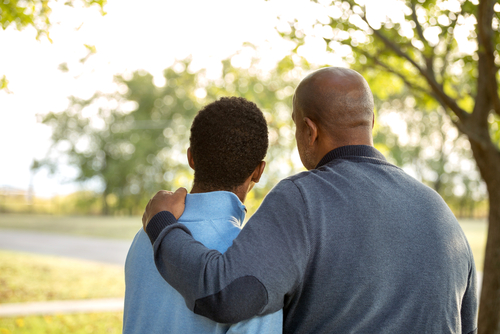
As fathers, we carry an immense responsibility. We are not just present in our children's lives—we are the architects of their future resilience. Our role is crucial, and the question that keeps many of us awake at night is not whether we love our children, but whether they truly feel that love in ways that will sustain them long after we are gone.
The answer to this question lies in a powerful framework I call I Was Loved. This framework holds particular power for fathers who want to break cycles, build legacies, and raise sons and daughters who know, without question, that they were cherished. It's a tool that empowers us to make a lasting impact on our children's lives.
Think of fatherhood as roots. Not the visible parts of the tree—not the branches that sway in the wind or the leaves that catch the light. Roots. The hidden network beneath the surface that anchors the tree through storms, draws nourishment from deep sources, and determines whether the tree will stand or fall when adversity comes. Our children are the visible growth. However, we are the roots. Moreover, the deeper, stronger, and more intentional our presence, the more resilient they become.
This metaphor is not merely poetic—it reflects the biological reality of how secure attachment literally shapes brain architecture. Just as roots establish the foundation for everything a tree becomes, our consistent, loving presence establishes the neural pathways that determine how our children will navigate relationships, regulate emotions, and respond to adversity for the rest of their lives. The root system we cultivate in our children's early years becomes the unseen infrastructure of their adult well-being.
Meaning: Why This Moment Demands Our Attention
Our children are facing unprecedented mental health challenges. According to the Centers for Disease Control and Prevention, nearly 20% of children aged 3-17 have a diagnosed mental, emotional, or behavioral disorder. Anxiety and depression rates among adolescents have increased by more than 50% over the past decade. Suicide has become the second leading cause of death among young people aged 10-24. As fathers, we witness our children navigating social pressures and digital influences that complicate the parent-child connection in ways previous generations never encountered.